

The Fascinating History of Valentine's Day
Posted on February 04 2026
The history of Valentine's Day is an entrancing blend of ancient rituals, religious martyrdom, medieval romance, and modern commercialization. What began as pagan fertility celebrations in ancient Rome has evolved into a global celebration of love, affection, and thoughtful gestures. Today, millions exchange cards, flowers, chocolates, and gifts to express their loving feelings on February 14. But the holiday's roots run deep, reflecting shifts in culture, religion, and society over centuries.
The earliest origins trace back to the Roman festival of Lupercalia, held around February 15. This pagan event honored Faunus, the Roman god of agriculture and fertility, and Romulus and Remus, Rome's legendary founders. Young men would run through the streets wearing goat skins, slapping women with goat hides to promote fertility and easy childbirth. It was a wild, public rite of spring renewal and matchmaking, with elements of chance where names of women were drawn in lotteries for pairing. Though not directly romantic in our modern sense, Lupercalia celebrated life's renewal and procreation, setting a seasonal precedent for mid-February festivities.
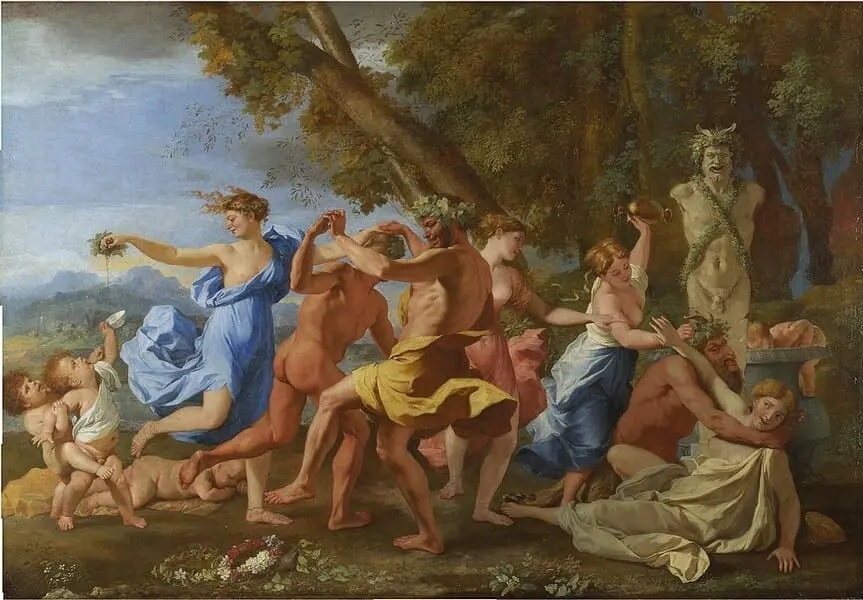
As Christianity spread through the Roman Empire, church leaders sought to replace pagan customs with Christian observances. By the 5th century, Pope Gelasius I declared February 14 as St. Valentine's Day, honoring one (or possibly several) martyrs named Valentine. The most popular legend involves a priest named Valentine in the 3rd century AD. Under Emperor Claudius II, who banned marriages for young men to bolster his army, Valentine secretly wed couples. When discovered, he was imprisoned and executed around 270 AD. Another tale describes Valentine restoring sight to his jailer's blind daughter and sending her a farewell note signed "From Your Valentine," likely the first ever Valentine message. While historians debate these stories and records, the day became associated with love and devotion, beginning with early pagan fertility themes and later evolving from Christian sacrificial works.

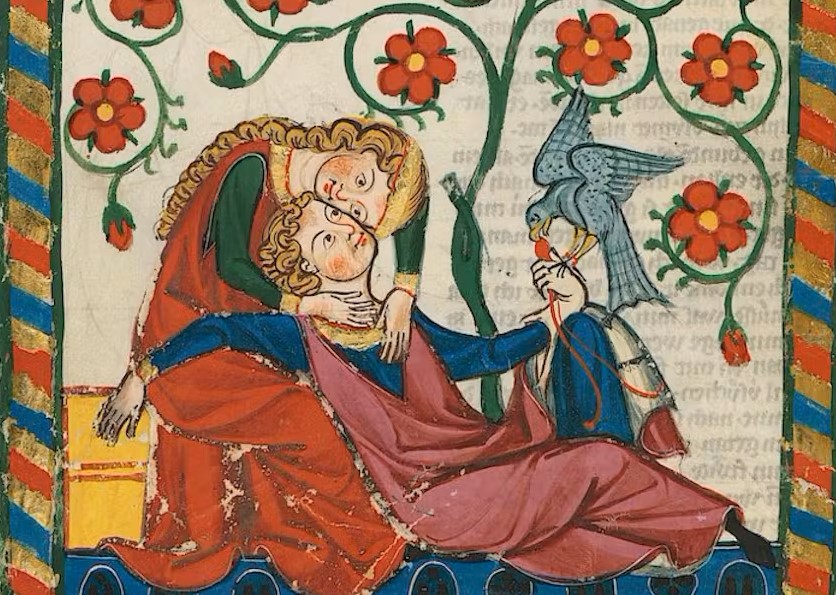
The romantic transformation accelerated in medieval England where Geoffrey Chaucer first linked St. Valentine's Day explicitly to courtly love in his 1375 poem 'Parliament of Fowls,' describing birds choosing mates on February 14th. This association with spring mating season and romance grew in European literature. By the 15th century, nobles exchanged handwritten "Valentines" poems or love notes. The tradition spread among the upper classes, with lovers pining over idealized affection.
In the 18th century, Valentine's Day became more accessible. In England, friends and lovers exchanged notes, often handmade or printed with verses. The custom crossed the Atlantic, and by the early 19th century, Americans fully embraced the . Esther Howland, known as the "Mother of the Valentine," revolutionized the practice in 1847. Inspired by British lace cards, she imported materials and assembled ornate, mass-produced valentine cards in Worcester, Massachusetts. Her elaborate designs featured lace, ribbons, and sentimental verses, and sparked a commercial boom. By the mid-1800s, valentines were affordable and widely exchanged, especially among schoolchildren and sweethearts.
The 20th century sent Valentine's Day commercialization into overdrive. Hallmark introduced ready-made cards in the 1910s, turning personal notes into a billion-dollar industry. Chocolates (popularized by companies like Hershey's) and roses became staples, symbolizing sweetness and passion. In the 1980s and beyond, jewelry, dinners, and experiences joined the mix. Today, the holiday generates billions annually, with expressions ranging from grand gestures to simple tokens of appreciation.

To celebrate the history of Valentine's Day with meaningful, timeless gestures, consider products that evoke romance and relaxation. Historia offers American-made treasures with historic soul—perfect for honoring love's enduring story.
Here are a few products that stand out as ideal Valentine's Day gifts for your loved one:
- Look of Love Soy Wax Candle
- Sebago Leather Clutch
- Fore Street Tote Bag
- Desert Rose Bar Soap
-
Amish Wood Porch Glider
- Kona Joe Chocolate Covered Coffee Beans
These lovingly curated items from Historia represent heritage and romantic spirit, making them meaningful ways to honor the history of Valentine's Day. Despite its commercialization, the core remains. Celebrating love in all forms.
Sources:
- history.com
- britannica.com
- loc.gov
- smithsonianmag.com
- nationalgeographic.com
- time.com

© Copyright 2026 Historia LLC - All Rights Reserved
0 comments